

Everything You Need to Know About Service Dogs
Service dogs play a crucial role in assisting individuals with disabilities. From psychiatric service dogs to guide dogs, learn about training, certification, legal rights, and how to get a PSD letter.
Start for as low as $32.25
What is a Service Dog?
Service dogs are highly trained canines that play a crucial role in assisting individuals with disabilities. These remarkably versatile animals are specifically trained to perform tasks directly related to a person's disability. Unlike emotional support animals, service dogs have public access rights under the Americans with Disabilities Act (ADA).
Legal Rights and Benefits of Owning a Service Dog
The Americans with Disabilities Act (ADA) is the primary federal law that provides protections for individuals with disabilities, making it illegal for businesses, employers, and public services to discriminate against service dog owners. Service dogs and their handlers are also granted important rights in housing and the workplace.
Service Dog Training and Certification
Service dogs play a vital role in assisting individuals with disabilities, and their ability to perform their tasks effectively relies heavily on rigorous training. This training is essential to ensure that service dogs can perform tasks reliably, maintain focus, and behave appropriately in a variety of environments. A Recognized Certification Organization and Programs: There are various non-governmental organizations that provide public recognition of service dogs and offer training or certification for service dogs.

Top Service Dog Breeds
Some dog breeds are well-known for their exceptional qualities and natural ability to perform various roles as service dogs for individuals with disabilities.

Labrador Retriever
Labrador Retrievers are among the most popular service dogs due to their gentle nature and intelligence. Their friendly disposition makes them excellent guides for the blind, hearing aids, and emotional support roles.

Golden Retriever
Golden Retrievers are known for their patience, trainability, and gentle temperament, making them ideal candidates for service work. Their calm nature and ability to comfort make them excellent emotional support companions.
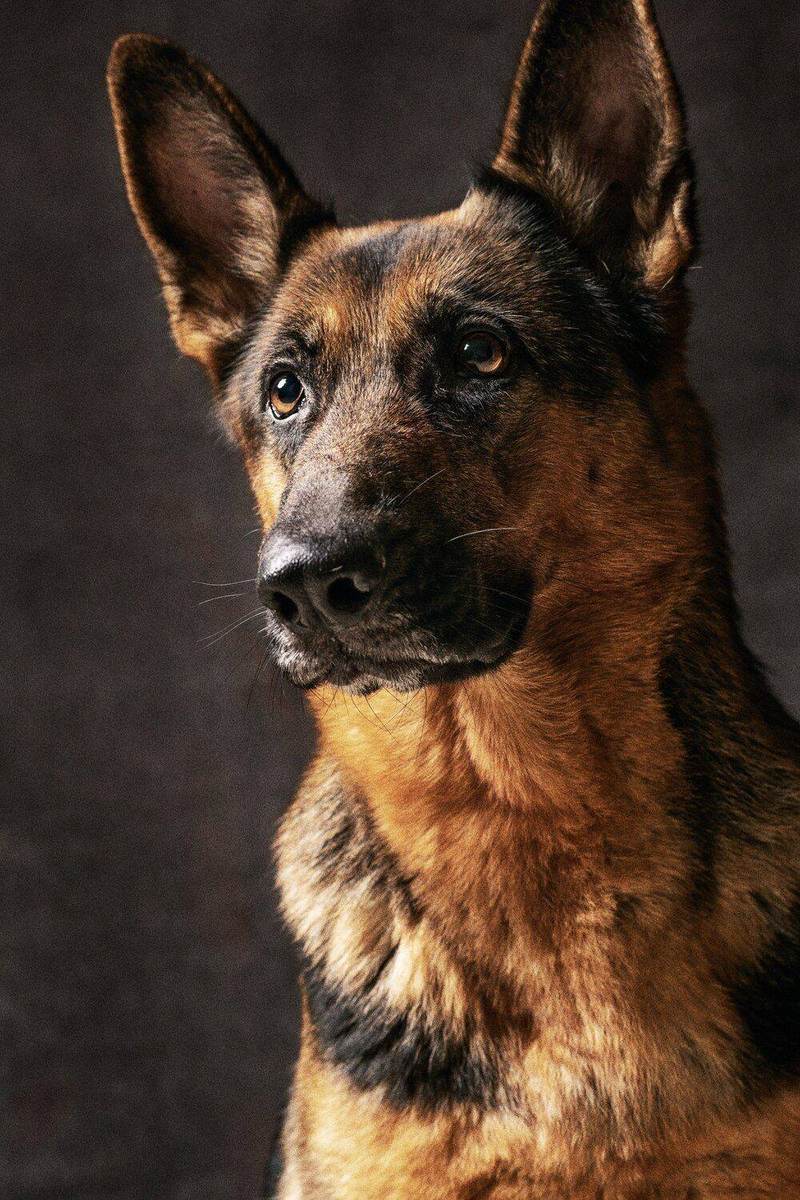
German Shepherd
German Shepherds combine a high level of intelligence, ability, and trainability. They are frequently used as service dogs for a wide range of disabilities. Their protective instincts can also comfort those with anxiety or PTSD.

Poodle
Particularly Standard Poodles, are well-known for their sharp intelligence and ability to learn quickly. These qualities make them top-tier candidates for service dog roles, and their hypoallergenic quality also makes them accessible for those with allergies.

Border Collie
Border Collies possess extraordinary intelligence, agility, and ability to focus. These qualities enable them to be excellent service dog candidates for those requiring high-precision assistance, such as mobility support and emotional grounding.

Bernese Mountain Dog
Bernese Mountain Dogs are very calm in nature and gentle, combined with their large size and strength, making them incredible service dogs. Their calm temperament is well-suited for emotional support and therapy work.

What is a PSD Letter?
A Psychiatric Service Dog (PSD) is a type of service dog specifically trained to assist individuals with psychiatric or mental health conditions. Unlike emotional support animals (ESAs), PSDs are trained to perform specific tasks that directly mitigate symptoms of a mental health condition recognized by the DSM-5.
PSD vs ESA: Key Differences
While both PSDs and ESAs provide support for mental health conditions, they differ in their legal protections and requirements. PSDs have full public access rights under the ADA (like any service dog), while ESAs are primarily protected in housing under the FHA. PSDs must be trained to perform specific tasks, while ESAs do not require task training.
How to Get a PSD Letter
To get a PSD letter, you need an evaluation from a licensed mental health professional who can verify that you have a qualifying psychiatric condition and that a service dog would help mitigate your symptoms. PawTenant can connect you with licensed professionals for this evaluation.
Service Dog Training and Certification
Service dog training is a rigorous process designed to develop the specific skills and commands that allow service dogs to effectively assist their handlers. This training process helps ensure that service dogs can perform their tasks reliably in various environments and circumstances. Obedience training typically involves basic commands such as sit, stay, heel, come, and more specialized training related to their specific service role.
Service dog socialization is a vital part of the training process. A well-socialized service dog is one that has been widely exposed to different environments, people, animals, and situations in order to avoid reactive or unpredictable behavior. This training is essential to maintain focus and perform their duties regardless of distractions.
Important: Certification Requirements
The most important thing to consider is that the dog needs to be capable of performing the task. Certification or documentation to not a required by ADA to have a service dog qualify. Individual establishments or transportation providers may attempt to require documents, and other organizations recognize certification programs that validate the dog's training and reliability.

Schedule Your PSD Letter Consultation Today
Get peace of mind with a service you can trust
Schedule Your Appointment TodayFrequently Asked Questions
Service dogs are trained to perform specific tasks for individuals with disabilities and have full public access rights under the ADA. ESAs provide emotional comfort and are primarily protected in housing under the FHA. Service dogs require specialized training; ESAs do not.
The trained-task distinction matters more in 2026
The 2026 HUD update makes the trained-task distinction more important for housing accommodation requests. PawTenant does not train, register, or certify service animals. If your animal is trained to perform disability-related tasks, a licensed provider may evaluate whether documentation is clinically appropriate.
Educational information only — not legal advice. PawTenant does not certify or train service animals, and approval depends on your housing provider, state law, housing type, and individual facts.